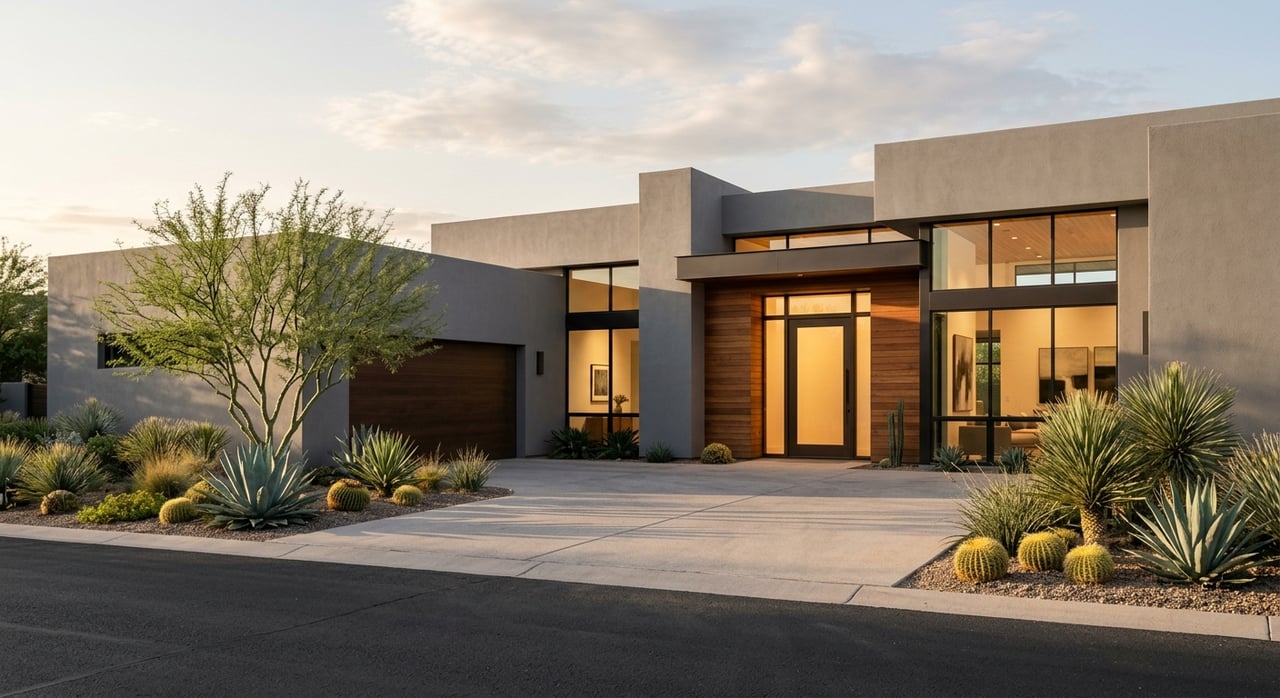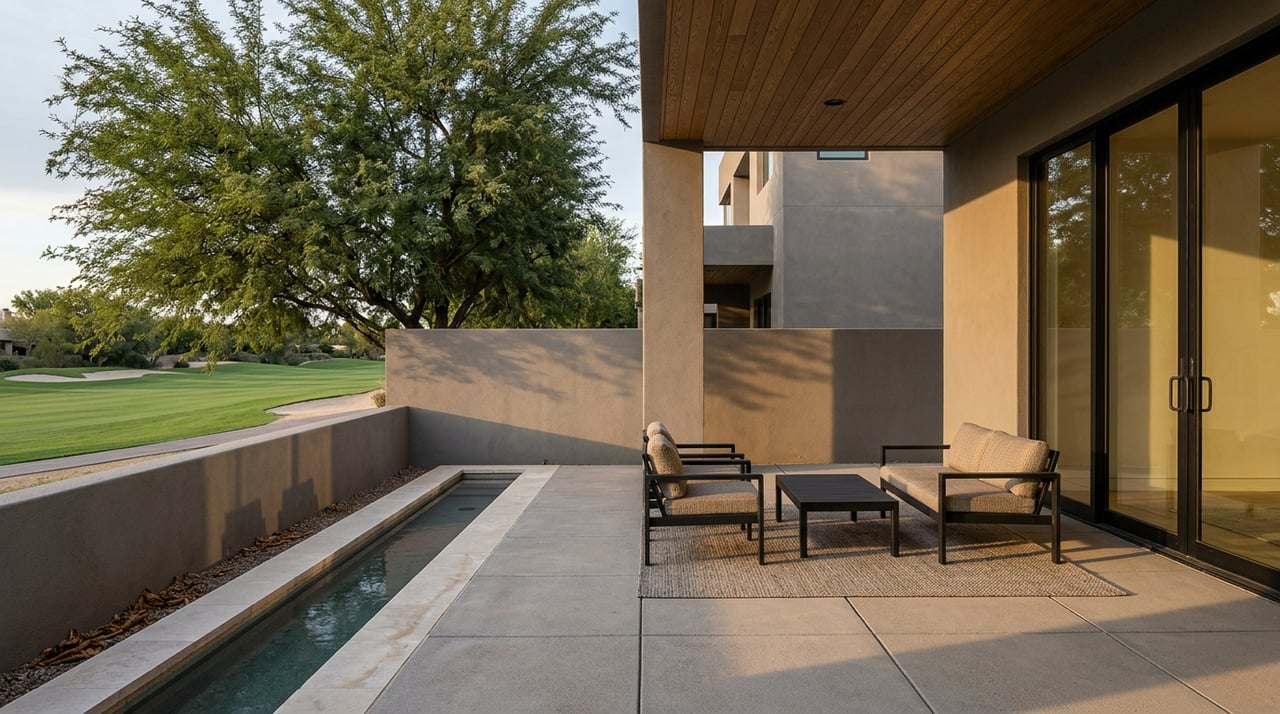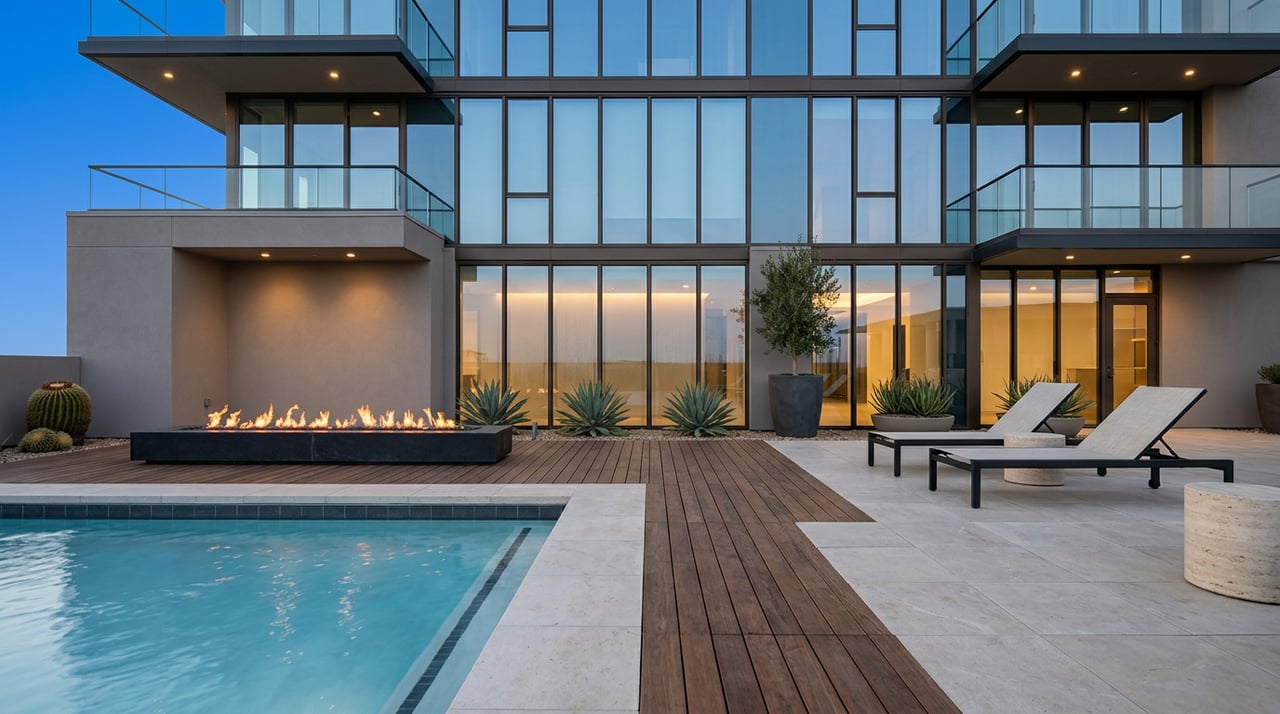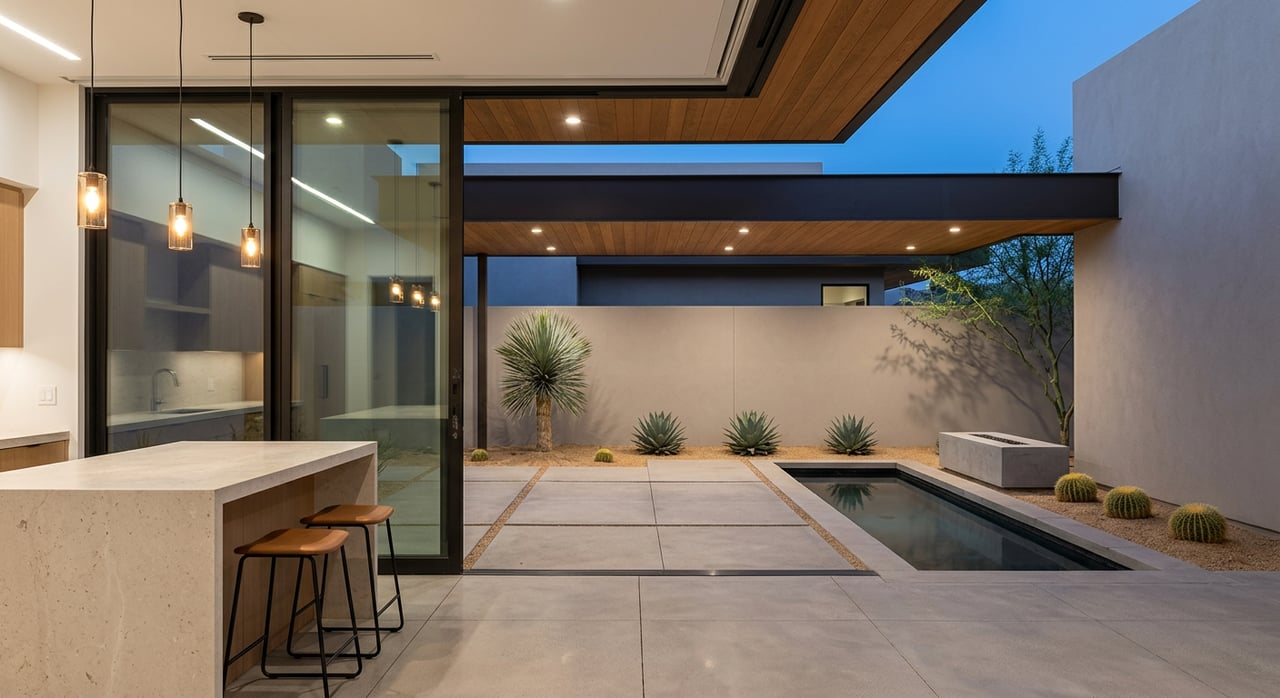
Thinking about building a one-of-a-kind home above Henderson’s skyline? Ascaya’s elevated setting, curated design standards, and Strip-to-mountain views are hard to resist. At the same time, hillside lots, HOA design review, and city approvals introduce extra steps that can affect cost and timing. In this guide, you’ll learn how to move from lot selection to keys with fewer surprises, plus the must-do due diligence that protects your budget. Let’s dive in.
Why Ascaya stands out
Ascaya is a gated, ultra-luxury hillside community overlooking Henderson. The developer emphasizes a desert-contemporary aesthetic, low density, and dramatic panoramic views that define the neighborhood’s appeal. You can preview the community’s setting, amenities, and design focus on the official Ascaya page for Henderson for a sense of place and programmatic vision. Explore the community overview.
If you are evaluating homesites, Ascaya publicly markets lots across a range of tiers. Current listings often span from under 1 million to several million for premium, view-forward parcels. Treat these prices as indicative only and confirm current availability and terms with Ascaya sales. See representative homesites and pricing context.
What makes Ascaya special also adds complexity. The terraced grading, engineered rockery, and steep slopes that unlock those views can increase grading, retaining-wall, and foundation scope compared with flat desert lots. Plan for site work as a meaningful line item in your budget.
Lot selection and due diligence
Buying the right lot sets the tone for your entire build. Before you go under contract or during a contingency window, make these checks your priority.
Confirm plats, envelopes, and easements
Each Ascaya parcel is part of a recorded subdivision map. Pull the county record to verify the legal description, the phase or plat reference, and any recorded building envelope or easements that affect where you can build. A Clark County Assessor parcel detail is a good starting point for understanding how these records look in practice. Review a sample assessor parcel record.
Understand HOA design review
Ascaya enforces community design controls through its design review process, which shapes architectural style, massing, exterior materials, and landscape standards. Critically, for custom homes in Ascaya, the City of Henderson requires an HOA approval letter as part of the permit intake for certain applications. Request the current CC&Rs, design guidelines, the DRC submission checklist, fee schedule, and the HOA’s budget or reserve study so you know the process and timing. See the City’s custom home and grading submittal checklist.
Order survey, topo, and a soils report
Ascaya’s hillside terrain means foundation and retaining design hinge on verified data. Ask for, or commission, a current ALTA/NSPS boundary survey, a recent topographic map, and a site-specific geotechnical (soils) report. The City of Henderson defines soils reports and related documents as core submittals, and these findings drive foundation type, retaining-wall requirements, and drainage design. Review the City’s reference page for soils and grading terms.
Verify utilities and construction access
Confirm which utilities are stubbed to the lot, where meters will be placed, and whether any off-site improvements are your responsibility. Ask for a current utilities map, and clarify construction access rules for heavy equipment. Public-works and drainage prerequisites often govern when your building permit can be accepted, so align with the City’s checklist early. Check the City’s custom home checklist for typical prerequisites.
Consider adjacent open space
Lots with proximity to regional open space can add value and appeal. If your lot faces protected lands or trail corridors, confirm any related constraints before you design grading or fencing. Ascaya’s own community materials highlight the setting and open-space adjacency. View Ascaya’s Henderson overview.
Approvals and permitting timeline
Planning the right sequence keeps your schedule on track. Most owners follow a path like this:
- Select a lot and complete due diligence.
- Engage an architect and start schematic design, informed by soils and topo.
- Submit preliminary plans to Ascaya’s design review committee and obtain HOA sign-off.
- Advance civil engineering: graded site plan, drainage or hydrology study, utilities, and retaining walls.
- Submit to the City of Henderson for plan review and building permits once prerequisites are met.
- Manage inspections, utility tie-ins, and closeout through construction.
The City provides an expedited plan-review program for eligible projects if you want a faster turnaround in exchange for higher fees. Getting civil and drainage documentation complete and coordinating with Development Services and Public Works can significantly reduce rework. Learn about Henderson’s expedited plan review.
Benchmarks to plan around
- Schematic design with your architect: plan for 3 to 9 months, depending on complexity and your decision pace.
- HOA design review: often 1 to 3 months, plus iterations if needed. Confirm Ascaya’s current schedule and packet requirements. See Ascaya’s architecture page for DRC context.
- City plan review and permit issuance: several weeks to a few months, influenced by submittal completeness. Expedited review can shorten timelines if your project qualifies.
- Construction: many fully finished luxury estates take 12 to 24 months from permit to completion, with site complexity and scope as key drivers.
Site work and cost drivers
Hillside builds come with specialized technical scopes. At Ascaya, common drivers include grading, rock excavation or blasting, engineered retaining walls, deep foundations or caissons, complex drainage, and longer utility runs. Luxury features such as pools, large cantilevered terraces, and showcase garages often add structural and mechanical engineering that extends both budget and schedule. The community’s development history underscores extensive engineered earthwork that enables the terraces you see today. Preview homesite conditions and context.
Local industry coverage suggests that high-end custom homes in Southern Nevada frequently start in the several hundreds of dollars per square foot, with many projects reaching 500 dollars per square foot or more depending on finishes and site complexity. Treat these figures as broad guidance only. Your actual cost will depend on the lot, design, and builder. Always secure detailed, line-item bids tied to your soils report and engineered plans. Read an overview of custom home cost context in Nevada.
Build the right team
Core specialists you will need
- Architect or a design-build firm with documented hillside and desert-contemporary experience. Ascaya highlights firms that have designed within the community, which can help you vet portfolios and align aesthetics. See firms featured on Ascaya’s architecture page.
- General contractor with proven Ascaya or similar hillside experience, especially with retaining walls, rock excavation, and the HOA review process.
- Civil engineer, structural engineer, and geotechnical engineer. These are non-negotiable for hillside work and are required by the City for various submittals. Review the City’s reference terms for soils and grading.
- Landscape architect with desert-adaptive expertise and familiarity with regional water-conservation standards.
How to vet firms
- Ask for completed Ascaya or comparable hillside projects, plus contactable references.
- Verify Nevada licenses and insurance.
- Review sample DRC submissions and City plan sets they have produced.
- Request historical budget and schedule data on similar builds, including how they handled rock excavation, retaining-wall changes, and unforeseen subsurface conditions.
- Confirm experience coordinating inspections and public-works items with the City of Henderson.
Contracts and contingencies
For luxury hillside projects, many owners prefer a Guaranteed Maximum Price or a detailed fixed-price contract with clear allowances. A 10 to 15 percent owner contingency is common to cover unknowns, especially in site work. Ensure structural and site allowances capture retaining walls, rock excavation, possible blasting, deep foundations, and special inspections. Align draw schedules and inspection milestones with your lender’s process before you sign.
Financing basics for custom builds
Construction loans are typically short-term financing that fund work in stages. You pay interest on the amount drawn, not the full loan, during construction. Many owners choose a construction-to-permanent loan that converts to a standard mortgage at completion. Expect your lender to require stamped plans, a licensed builder, a construction budget, a schedule, and contingencies. Align the builder’s draw schedule with the lender’s inspection cadence to avoid cash-flow friction. Get a consumer-friendly overview of construction loans and draws.
Taxes, dues, and carrying costs
Remember to include Clark County property taxes, HOA dues, and any special assessments in your pro forma. Property tax rates and annual bills depend on assessed value and tax districts. For current rates and details, consult the county treasurer. View Clark County tax rate information. Confirm HOA dues and inclusions directly with Ascaya.
Common pitfalls to avoid
- Buying a lot without current soils and topo data, which can hide costly subsurface surprises.
- Underestimating grading, retaining, and drainage scope, or the time required for public-works approvals.
- Hiring teams without Ascaya or hillside experience, which can increase change orders.
- Misaligning lender draw schedules with contractor milestones and inspections.
- Overlooking HOA design review timing. Henderson requires an HOA approval letter for Ascaya custom homes, and that step can gate your permit intake. See the City’s checklist.
Your step-by-step checklist
Use this as a clear path from lot to keys. Save it and work through each item with your team.
- Pre-offer: Pull the recorded plat and legal description. Confirm lot lines, building envelope, and any easements. A county assessor map is a practical reference. View a sample assessor parcel page.
- Order an ALTA boundary survey and a recent topo map so your architect starts with verified data. See City definitions for required reports.
- Commission a site-specific geotechnical report and understand how its recommendations affect foundations and retaining walls.
- Request CC&Rs, design guidelines, HOA budget or reserve study, and the DRC submission packet. Confirm review timelines and fees. Reference the City’s submittal checklist noting HOA approval needs.
- Ask the seller or developer for a current utilities map and clarify off-site obligations and responsibilities. Browse homesite context on Ascaya’s site.
- Post-contract: Schedule a pre-submission chat with Ascaya’s design review contact and confirm the current meeting calendar. See Ascaya’s architecture page.
- Select an architect and builder with proven hillside and Ascaya experience, and engage civil, structural, and geotech early.
- Advance schematic plans, then pursue DRC approval before you finalize permit-ready drawings.
- Confirm City permit prerequisites, including drainage or hydrology approvals, and consider expedited review if eligible. Learn about expedited plan review.
- Secure construction financing early, align draw schedules, and budget for interest carry and inspections. Read CFPB guidance on construction loans.
Ready to take the next step?
If Ascaya feels like the right fit, a tailored plan will save you time and money. From identifying the right view lot to coordinating design review and city submittals, you deserve a streamlined path. For a private consultation and a lot-to-keys game plan built around your goals, connect with Nina Grozav.
FAQs
How long does it take to build a custom home in Ascaya?
- Plan for 3 to 9 months of design, 1 to 3 months of HOA review, several weeks to a few months for city plan review, and 12 to 24 months of construction, depending on scope and site complexity.
What approvals do I need before submitting permits in Henderson?
- For Ascaya custom homes, the City of Henderson typically requires a completed drainage study or waiver, civil prerequisites, and an HOA approval letter before accepting certain permit applications. See the City’s checklist.
What drives costs on hillside lots in Ascaya?
- Grading, rock excavation or blasting, engineered retaining walls, deep foundations, complex drainage, and longer utility runs are common drivers, with luxury features like pools and large terraces adding structural scope.
Are Ascaya homesites priced in tiers?
- Yes. Developer listings show a range that typically runs from under 1 million to several million for premium parcels. Treat published prices as indicative and verify current availability. See representative homesites.
How do construction loans work for custom homes in Henderson?
- Construction loans fund work in stages, with interest charged only on amounts drawn. Many borrowers use a construction-to-permanent loan that converts to a standard mortgage at completion. Get CFPB’s overview.