Thinking about trading your current city for Las Vegas? You’re not alone. Many out‑of‑state buyers consider the Valley for lower taxes, sunshine, and a lively lifestyle, then wonder how the climate, costs, and neighborhoods actually feel day to day. This guide gives you balanced, practical insight from trusted sources so you can make a confident decision. You’ll find the key pros and tradeoffs, a neighborhood overview, and a checklist to verify the details that matter to you. Let’s dive in.
Quick snapshot: people, jobs, taxes
Las Vegas sits in Clark County, a large and fast‑growing metro anchored by the Las Vegas–Henderson–Paradise area. For up‑to‑date population context, check the U.S. Census QuickFacts for Clark County.
Employment historically centers on leisure and hospitality, including hotels, resorts, casinos, shows, and conventions. The region also supports healthcare, logistics and distribution, government and military, education, and a growing professional services and tech presence. You can review sector trends on the BLS Economy at a Glance for the Las Vegas–Henderson–Paradise metro. Hospitality is sensitive to tourism cycles, so expect some variability during national downturns.
On taxes, Nevada has no state personal income tax, which many movers consider a major benefit. Sales and local taxes apply and vary by city and county. For current charts and rates, see the Nevada Department of Taxation’s Sales and Use Tax publications. Property taxes are generally perceived as moderate relative to many coastal states, but they depend on assessed value and local levies. For how assessments work, refer to the Clark County Assessor.
Climate and daily life
Las Vegas is in the Mojave Desert, with very hot, dry summers and mild winters. Summer highs often reach 100–110°F with very low humidity. Winter days often sit in the 50s–60s°F with cool nights. See climate normals via NOAA’s NCEI.
What that means for daily life:
- You’ll rely on air conditioning during summer, and outdoor time shifts to early mornings and evenings.
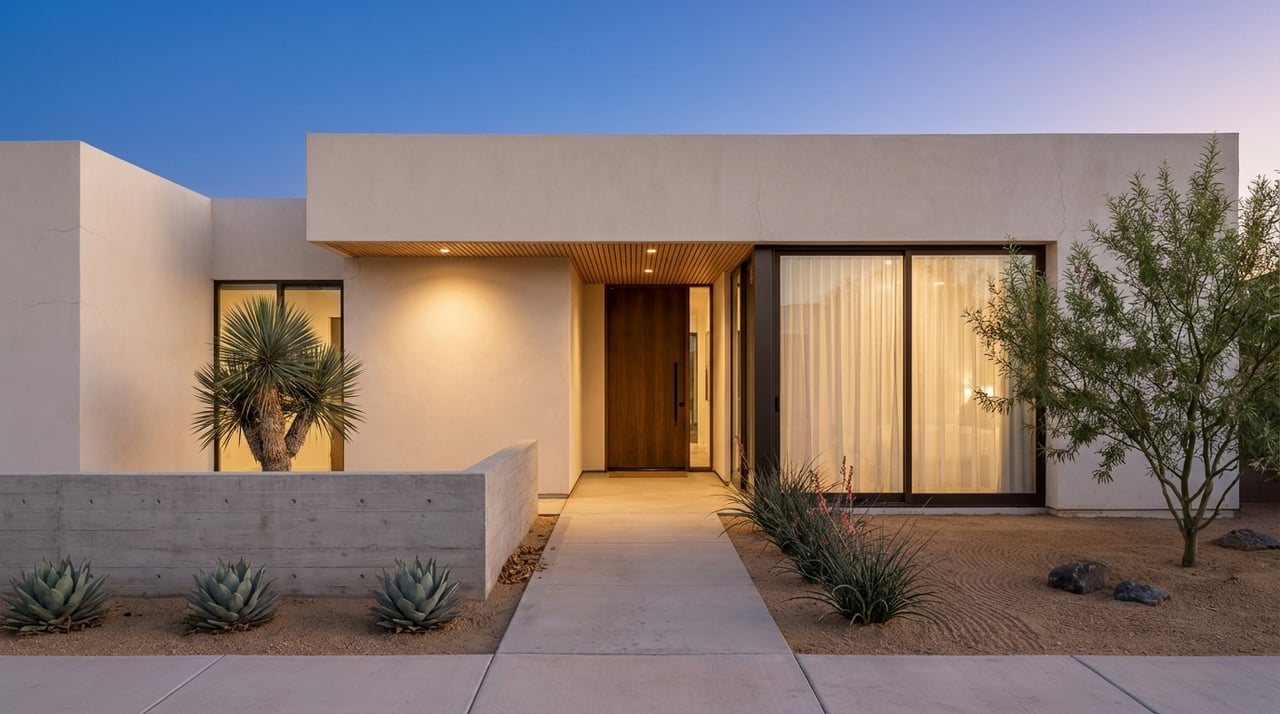
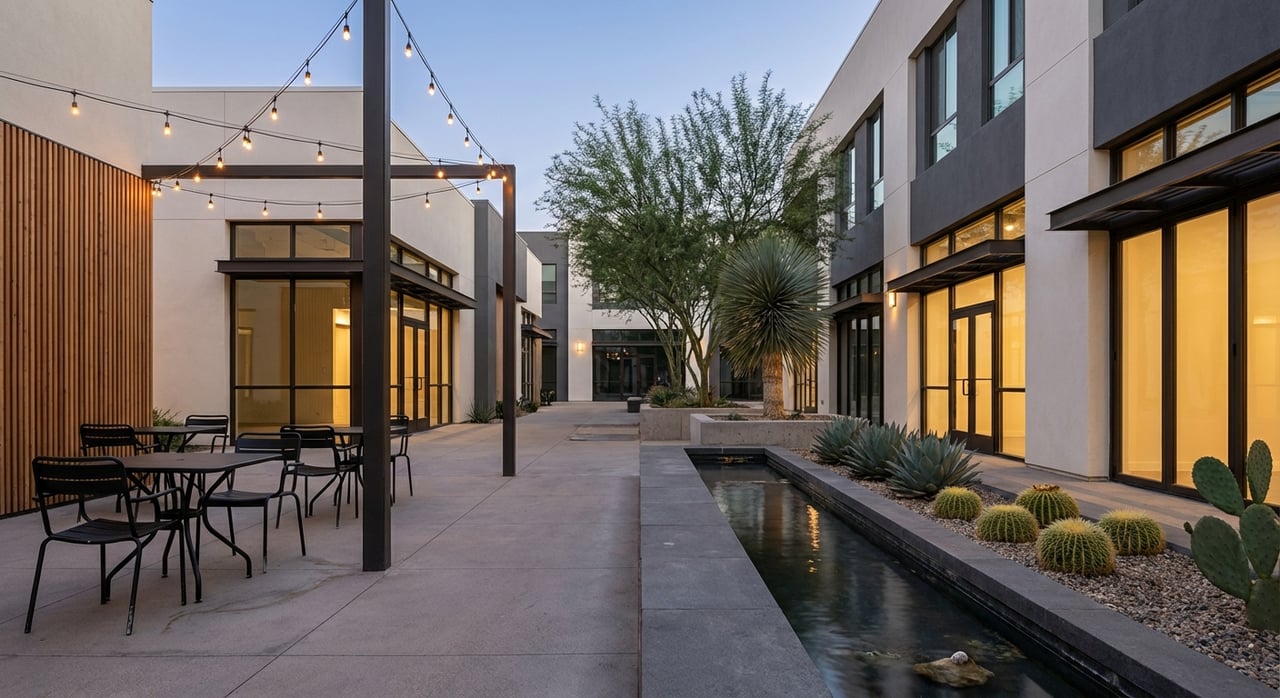
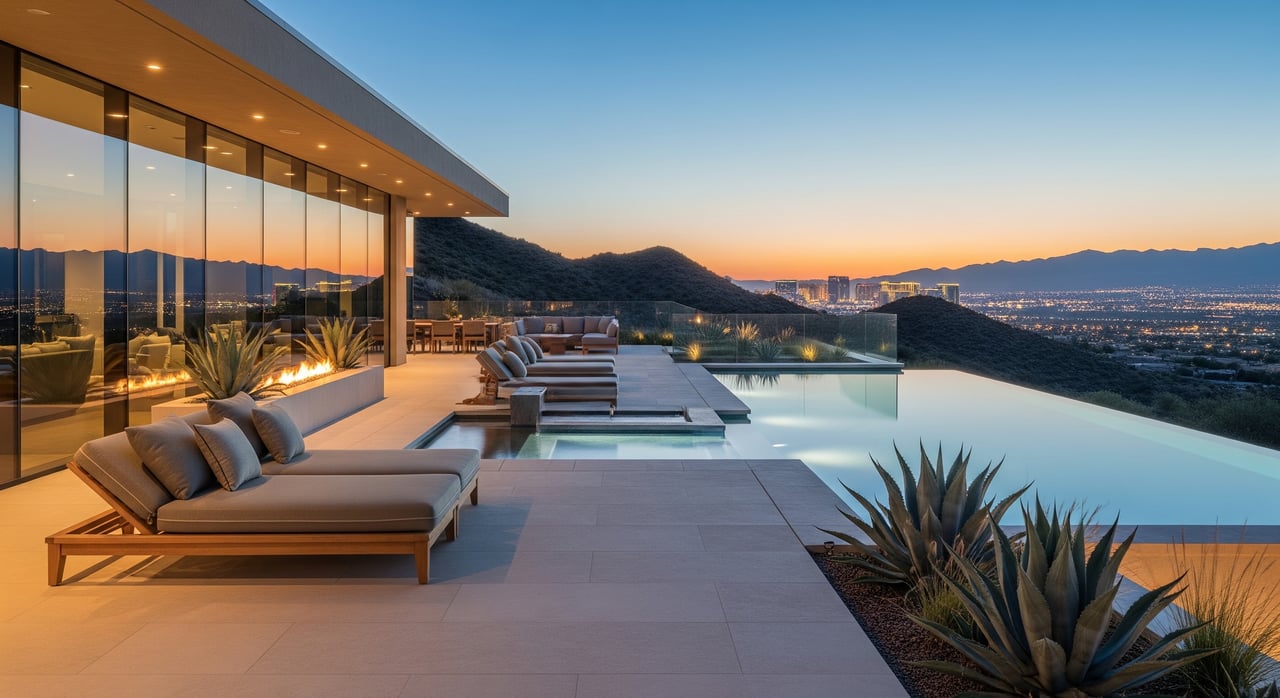
- Landscaping is typically xeric and drought‑tolerant.
- Sun protection is part of the routine, along with hydration and heat awareness in peak months.
The Valley offers easy access to Red Rock Canyon, Lake Mead, Hoover Dam, and desert and mountain trails. Summer heat can limit midday activities for part of the year, but fall through spring are popular for hiking, golf, and day trips.
Housing and cost of living basics
Las Vegas has long offered lower home prices than many West Coast metros, with variability tied to mortgage rates and inventory. You’ll find new master‑planned communities, suburban single‑family homes, gated options, condos near urban cores, and older pockets that can be more budget‑friendly. To gauge current pricing, inventory, and days on market, review trend dashboards like the Redfin Data Center and compare with your target neighborhoods.
Ownership affordability depends on rates, income, and HOA fees where applicable. Rents vary by proximity to employment centers and amenities. Utilities are a key budget line item in summer due to cooling demand; for state‑level energy context, see the U.S. EIA Nevada profile. Routine home care may include HVAC servicing and dust management because of the desert climate. If you’re considering a community with an HOA, review rules on landscaping, exterior finishes, and short‑term rentals before making an offer.
Neighborhoods at a glance
Choosing the right fit comes down to commute, housing style, amenities, and how you like to spend your time. Here is a high‑level look to help you narrow options:
- Summerlin (west valley): Large master‑planned area with parks, trails, and retail. Many buyers choose it for its suburban feel, proximity to Red Rock, and newer construction options.
- Henderson and Green Valley (southeast): Established suburban areas with steady development and a wide range of neighborhoods and amenities. Many residents value the area’s community centers and parks.
- Downtown, Arts District, Fremont East: More urban feel with local restaurants, galleries, and live music. Housing includes condos, townhomes, and older single‑family homes close to cultural spots.
- The Strip and nearby: Luxury high‑rise condos and rentals close to hospitality jobs and 24/7 entertainment. Tourist activity is concentrated here.
- North Las Vegas and parts of east/northeast Las Vegas: A mix of older housing and newer developments where buyers often find relative affordability.
- Southwest, Centennial Hills, and corridors near Summerlin Parkway: Ongoing growth, newer retail, and varied housing types that appeal to many commuters.
- Active‑adult and gated communities: Options like Sun City Summerlin cater to age‑restricted living with community amenities. Verify HOA policies and fees.
If schools are a priority, performance can vary within the Clark County School District. Review individual school report cards and boundaries via the Nevada Department of Education’s Nevada Report Card, and confirm enrollment policies directly.
Getting around and daily logistics
The metro is largely car‑dependent. Major corridors include I‑15, I‑215, and US‑95. Commute times are often comparable to or slightly below many big metros, with congestion near the Strip and at the “Spaghetti Bowl” interchange, especially during conventions and events. Public transit includes regional bus service and the Monorail along parts of the Strip, but most residents rely on cars or rideshare.
For safety research, crime rates vary by neighborhood and property type. Review official data sources for the streets you’re considering and compare trends over time. Many buyers check local police dashboards and federal datasets when evaluating areas.
Water, health, and environment
Water availability is a central planning topic across the Southwest. The Southern Nevada Water Authority manages conservation programs and policies that affect landscaping and development. For current initiatives and resources, visit the Southern Nevada Water Authority.
Summer heat requires awareness. Hydration, shaded outdoor spaces, and scheduling errands or activities during cooler hours help most residents adapt. Air quality can fluctuate during monsoon storms and regional wildfire seasons, so it helps to track local forecasts.
The case for Las Vegas: pros
- No state income tax, which can improve your net take‑home pay.
- Historically lower housing costs than many West Coast hubs, with a wide range of property types.
- Strong entertainment, dining, and cultural offerings, plus frequent concerts and major events.
- Quick access to outdoor recreation in all directions.
- Ongoing business diversification efforts in logistics, healthcare, professional services, and more.
Tradeoffs to weigh
- Hot, dry summers with heavy AC usage and limited midday outdoor time for several months.
- An economy influenced by tourism cycles, which can affect job stability in hospitality.
- Water scarcity and conservation rules that shape landscaping and future development.
- Car dependency across much of the Valley, with limited rail options.
- Neighborhood experience can vary within short distances, so block‑level research is essential.
A practical move checklist
Use this list to validate the details that matter to you before you commit:
- Market numbers: Confirm median prices, inventory, and days on market for your target neighborhoods using sources like the Redfin Data Center and local MLS summaries.
- Commutes: Test drive commute times at your actual hours on weekdays and weekends.
- Schools: Review performance and boundaries on the Nevada Report Card and confirm enrollment with the district.
- Utilities: Ask sellers or neighbors about typical summer electric bills; compare with the U.S. EIA Nevada profile for state context.
- Crime data: Check official police and federal crime dashboards for the exact streets you’re considering and compare trends over time.
- HOA rules and fees: Verify landscaping, paint colors, parking, short‑term rental policies, and monthly dues in writing.
- Job market: If you’re not in hospitality, review postings and industry reports for healthcare, logistics, education, government, and professional services. Cross‑check with the BLS metro snapshot.
- Long‑term planning: Read up on conservation programs and regional water planning via the Southern Nevada Water Authority.
How to preview Vegas in 72 hours
- Day 1: Tour homes in at least two different areas that match your budget and wish list. Compare lot sizes, HOA rules, and drive times between appointments.
- Day 2: Sample daily life. Do a morning and evening commute test, visit parks and grocery stores, and walk retail centers you would use. If relevant, visit schools during office hours.
- Day 3: Experience both ends of the Valley. Hike Red Rock or visit Lake Mead early, then spend time downtown or in the Arts District. Note how each area feels on a weekend versus a weekday evening.
Is Las Vegas right for you?
If you value sunshine, entertainment, and a range of housing options, Las Vegas can be a compelling choice. The key is to match your lifestyle and budget to the right neighborhood and to verify the details that matter most, from commute times to HOA rules and utility costs. With clear expectations about the climate and car‑centric layout, many newcomers find the Valley fits their goals.
When you are ready to explore homes and neighborhoods at a deeper level, connect with a local advisor who combines on‑the‑ground perspective with strong negotiation and closing execution. For boutique, relationship‑driven guidance backed by global reach, schedule a Private Consultation with Nina Grozav.
FAQs
Is Las Vegas affordable compared with major California metros?
- Generally yes for housing and overall tax burden due to no state income tax, but affordability depends on neighborhood, current market cycle, and your income.
How hot does it get in Las Vegas and how do residents adapt?
- Summer highs often reach 100–110°F; residents plan outdoor time for mornings/evenings, use efficient AC systems, and prioritize hydration and shade.
Which Las Vegas areas feel most suburban and master‑planned?
- Many buyers consider Summerlin, Henderson, and nearby southwest communities for a suburban, amenity‑rich feel with parks, trails, and retail centers.
How should I evaluate schools in Clark County?
- School performance varies; review individual report cards and boundaries on the Nevada Report Card and confirm enrollment policies.
Is there work in Las Vegas outside of hospitality?
- Yes, with opportunities in healthcare, logistics, education, government, and professional services; review local postings and the BLS metro snapshot for trends.